The Diesel Particulate Filter (DPF) is an emissions-control component used on many modern diesel vehicles to reduce particulate emissions from the exhaust.
DPF-related problems can affect vehicle performance, drivability and warning systems. Understanding regeneration, blockage symptoms and ECU management is important before considering any DPF-related service.
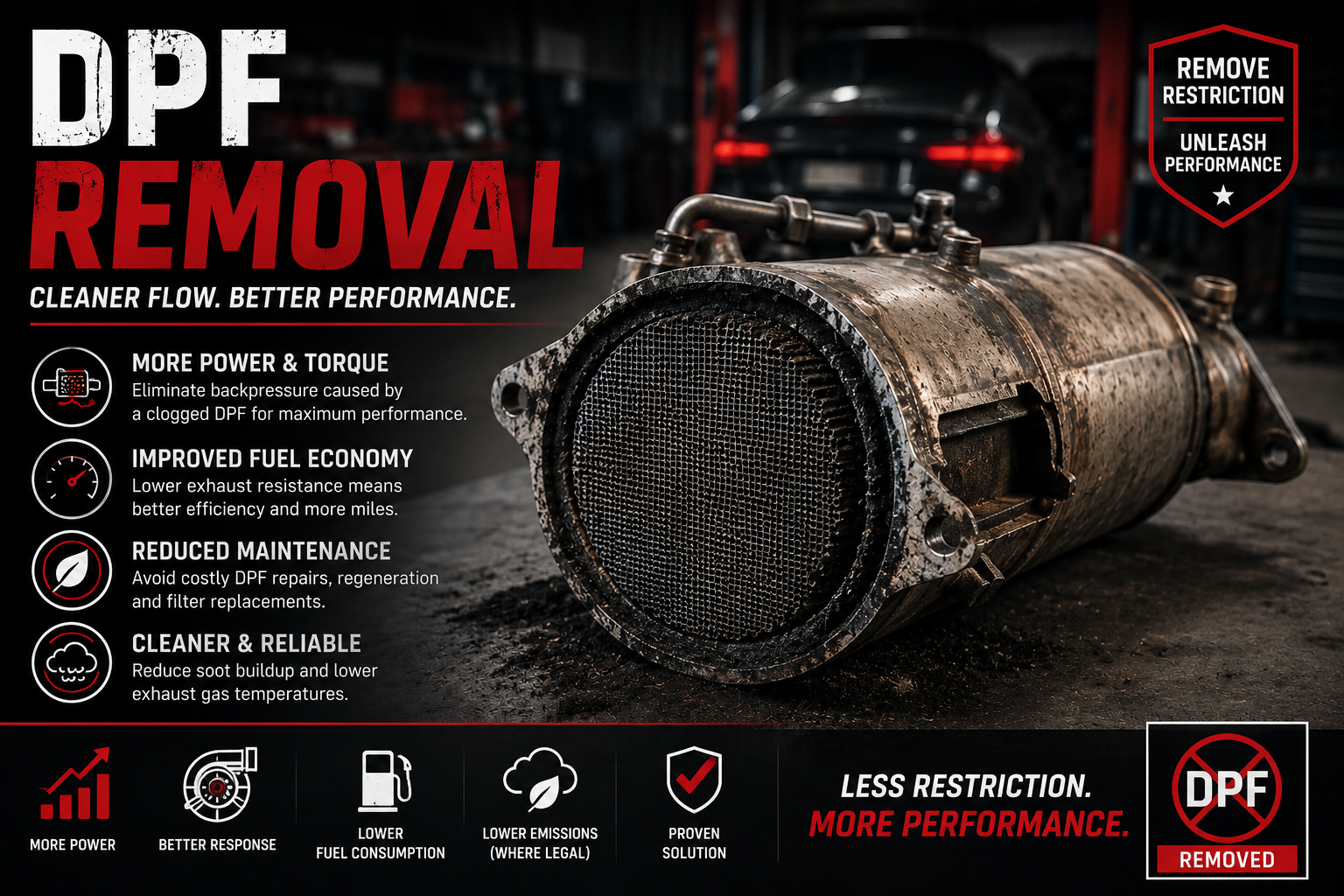
What Is a DPF?
A Diesel Particulate Filter is an exhaust after-treatment component designed to capture particulate matter produced by diesel combustion.
The filter collects soot from the exhaust gases and periodically needs to regenerate in order to reduce the accumulated material.
Modern diesel vehicles use sensors and ECU strategies to monitor and manage the DPF system during normal operation.
The DPF is part of the vehicle's emissions-control system, so its operation should always be considered together with the vehicle, engine and applicable regulations.
How Does a DPF System Work?
During normal operation, the DPF captures particulate matter from the exhaust gases.
As soot accumulates, the vehicle's engine management system monitors the condition of the filter using information from relevant sensors.
When operating conditions are suitable, the vehicle can initiate a regeneration process to reduce the accumulated soot.
What Is DPF Regeneration?
DPF regeneration is the process used by the vehicle to reduce accumulated soot within the particulate filter.
Depending on the vehicle, regeneration can occur automatically during suitable driving conditions. The engine management system coordinates the process using information from sensors and other operating parameters.
If regeneration cannot complete successfully over time, soot accumulation can increase and eventually result in warning messages or reduced vehicle performance.
Why Does a DPF Become Blocked?
DPF blockage can occur when the filter accumulates more particulate matter than the regeneration system can effectively remove.
Frequent short journeys, repeated cold starts and driving conditions that do not allow regeneration to complete can contribute to DPF-related problems.
Mechanical or sensor faults can also affect the operation of the DPF system and should be considered during diagnosis.
Common Signs of DPF Problems
Depending on the vehicle and the underlying problem, DPF-related issues can produce several symptoms.
- DPF or engine warning lights
- Reduced engine performance
- Increased fuel consumption
- Frequent regeneration attempts
- Reduced or limited engine power
- Messages relating to the exhaust or emissions system
These symptoms do not necessarily mean that the DPF itself is defective. Proper diagnosis is important before deciding on any repair or service.
DPF and ECU Management
The ECU plays an important role in monitoring and managing the DPF system.
Depending on the vehicle, the ECU can use information from exhaust pressure, temperature and other sensors to determine the condition of the particulate filter and manage regeneration strategies.
Because the DPF and ECU are closely connected, electronic diagnosis can be an important part of investigating DPF-related problems.
DPF Removal and Software Calibration
DPF removal refers to physically removing the particulate filter from a vehicle, while software calibration may be discussed in relation to the vehicle's ECU management of the system.
These are separate aspects of the same vehicle system and should not be treated as a simple software-only modification.
Before considering any DPF-related modification, the vehicle should be properly diagnosed and the applicable emissions and road-use requirements should be considered.
DPF-related modifications can have emissions and legal implications. Requirements vary by jurisdiction, so vehicle owners should check the rules applicable to their vehicle and intended use.
Legal and Emissions Considerations
The DPF is an emissions-control component, and its removal or modification may affect the vehicle's compliance with emissions requirements.
The legal status of DPF removal varies depending on the country, vehicle category and intended road use.
Vehicle owners should always verify the applicable local regulations before carrying out emissions-system modifications.
Professional DPF Diagnosis
Proper diagnosis is important when a vehicle develops DPF-related symptoms.
A professional diagnostic process can help determine whether the problem is related to soot accumulation, regeneration, sensors, exhaust conditions or another underlying engine-management issue.
Identifying the actual cause before making a decision can help avoid unnecessary modifications or component replacement.
When Should You Seek Professional Help?
Professional assistance should be considered when DPF warning messages repeatedly appear, regeneration does not complete or the vehicle enters a reduced performance mode.
Continued operation with an unresolved DPF or engine management problem can potentially lead to additional issues.
A qualified technician can evaluate the vehicle, identify the underlying cause and explain the available options.
Frequently Asked Questions.
A Diesel Particulate Filter is an exhaust after-treatment component designed to capture particulate matter from diesel engine exhaust gases.
A DPF can become blocked when soot accumulation exceeds the system's ability to regenerate effectively. Frequent short journeys, incomplete regeneration and underlying vehicle faults can contribute to the problem.
Common symptoms can include DPF or engine warning lights, reduced performance, increased fuel consumption, repeated regeneration attempts and reduced engine power.
DPF regeneration is the process used by the vehicle to reduce accumulated soot inside the particulate filter. The ECU manages the process according to vehicle operating conditions and sensor information.
Yes. The ECU and DPF system are closely connected, and sensor faults, engine-management problems or other issues can affect regeneration and DPF operation.
The legal status of DPF removal depends on the country, vehicle category and intended use. Because the DPF is an emissions-control component, vehicle owners should verify the applicable local regulations before making any modification.
Electronic diagnosis can provide useful information about DPF-related conditions, sensor values, regeneration status and engine-management faults. A complete diagnosis may also require physical inspection.
The appropriate solution depends on the underlying cause, vehicle condition and applicable regulations. Proper diagnosis should be performed before deciding whether repair, cleaning, replacement or another solution is appropriate.
Frequent short journeys and operating conditions that do not allow regeneration to complete can contribute to DPF-related problems on some vehicles.
Yes. A vehicle experiencing DPF or regeneration problems may experience increased fuel consumption, although the exact effect depends on the underlying issue and vehicle configuration.